

FX G (2003-2009)
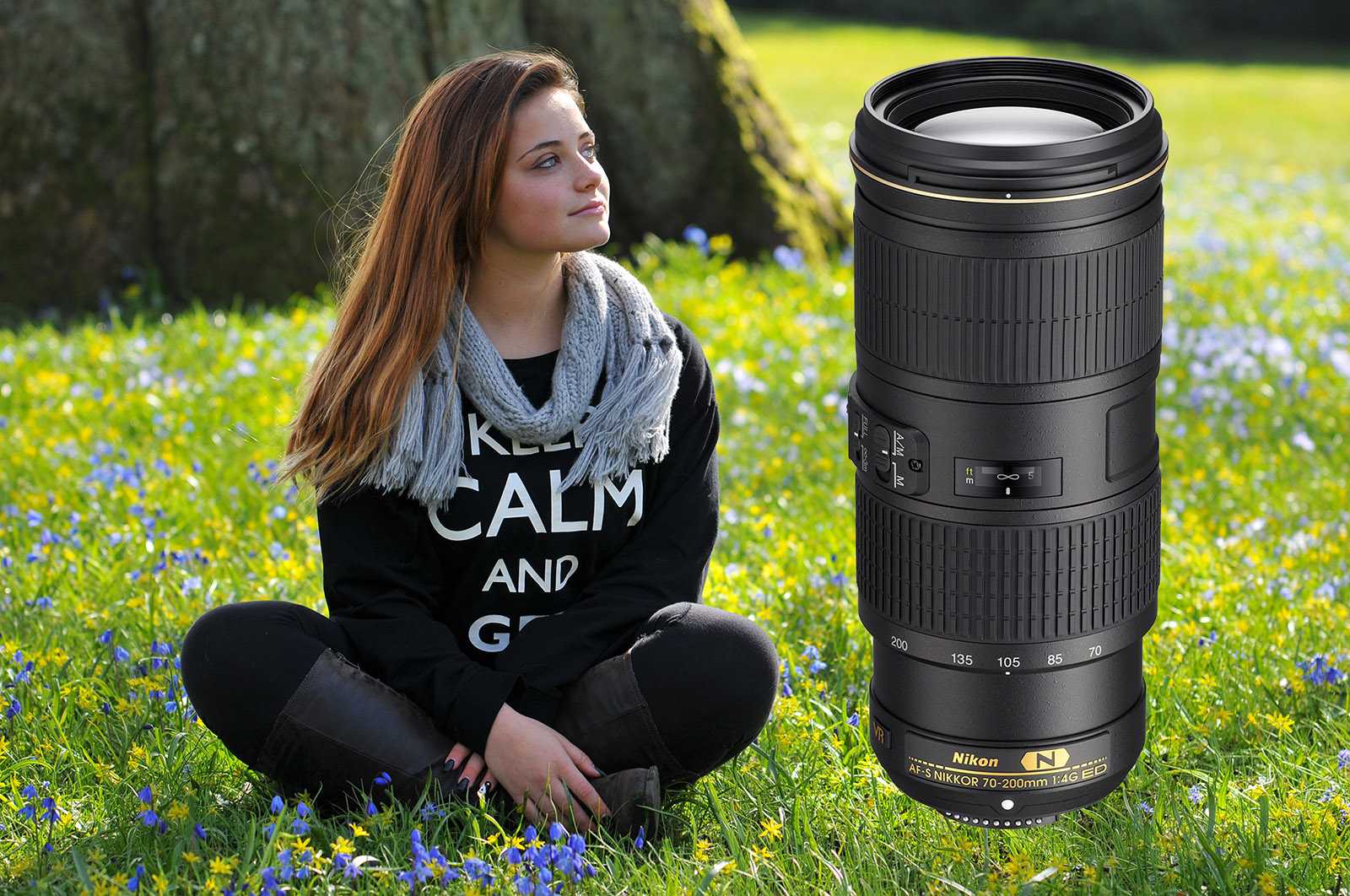
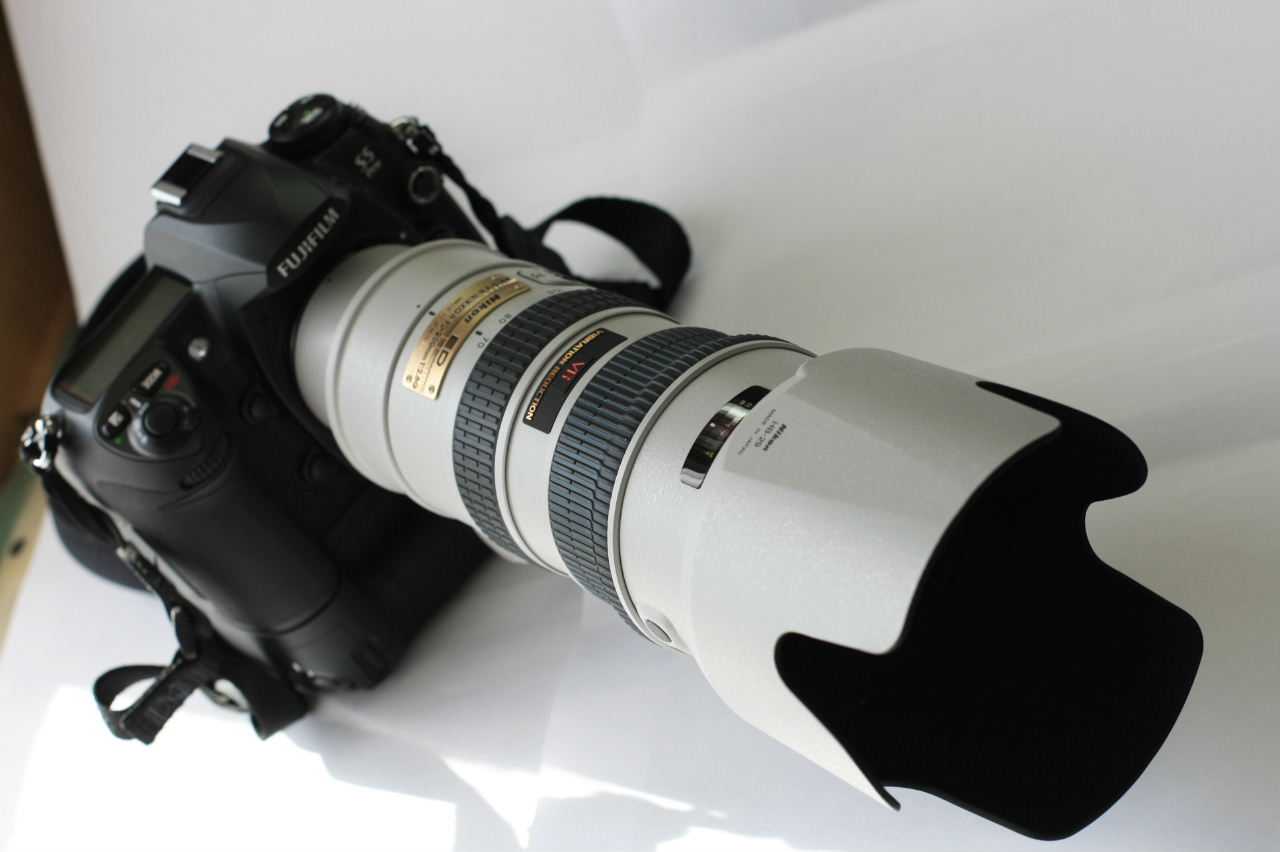
Nikon 70-200mm f/2.8 VR (77mm filters, 51.8 oz/1,468g with tripod collar, about $900 used if you know How to Win at eBay). bigger. I’d get mine at Amazon or at eBay.
This all-content, junk-free website’s biggest source of support is when you use those or any of when you get anything, regardless of the country in which you live. Buy only from the for the best prices, service, return policies and selection. Thanks for helping me help you! Ken.
April 2018 Nikon Reviews Nikon Lenses All Reviews
Replaced by the 70-200mm VR II as of Fall, 2009. Nikon 70-200mm history & timeline.
| Optics: |
as rated by working pros who use it every day for tripod-huggers just reading about it online |
| Ergonomics: | |
| Usefulness: | |
| Availability: | easy to find used |
| Overall: | found around the neck of every pro in the 2000s |
Ideal for: All-purpose pro tele zoom. Perfect for news, sports, indoor sports and theatre.
Not for: Manual focus film cameras.
Specifications
Name
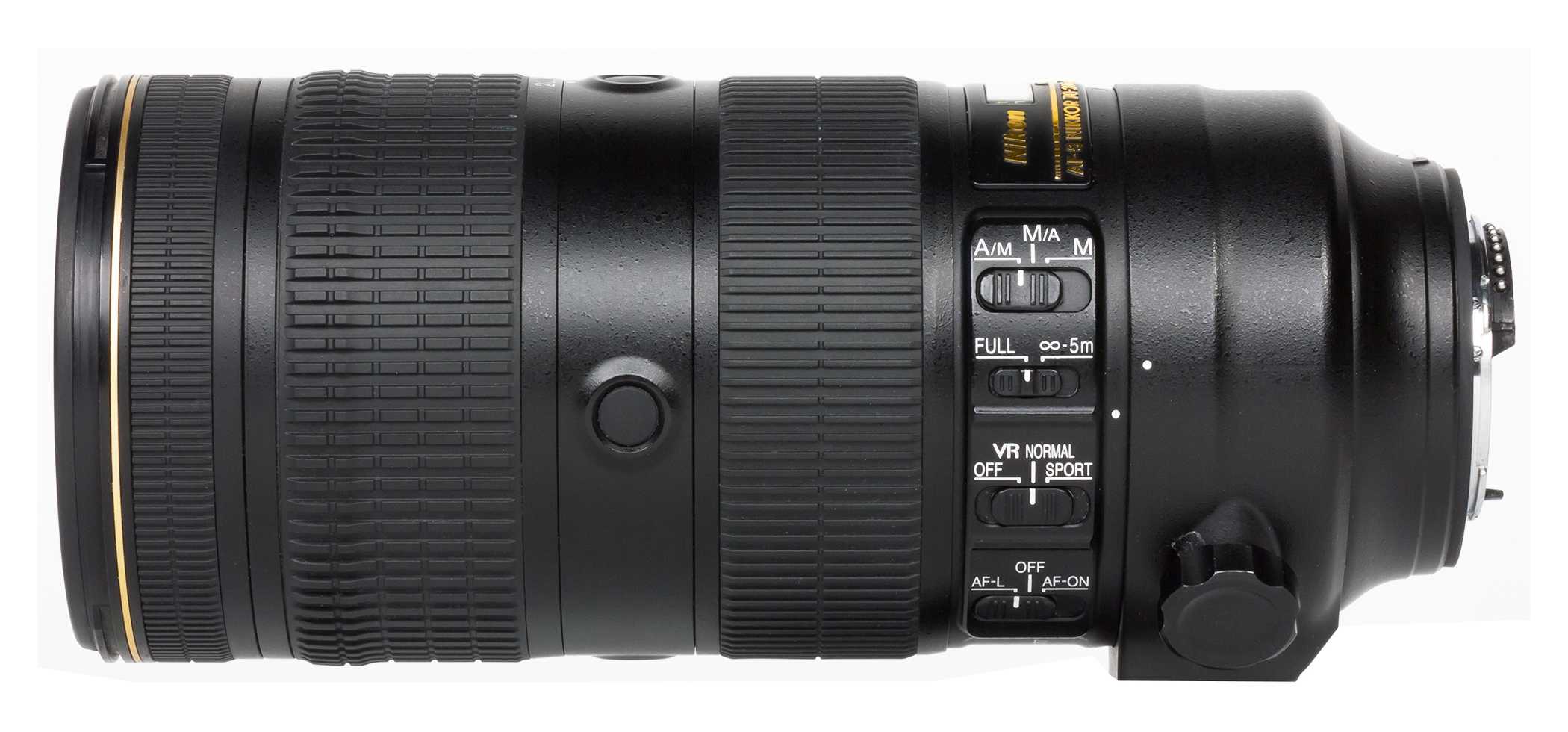
Identity Plate: Nikon 70-200mm f/2.8 VR.
Name: Nikon calls this the Nikon AF-S
VR Zoom-Nikkor 70-200mm f/2.8G ED-IF.
and SWM: Silent Wave Autofocus Motor.
VR: Vibration Reduction, for shooting still subjects without a tripod.
G: , meaning the aperture ring was omitted to save cost. Won’t work on manual focus cameras.
ED: for sharper pictures.
IF: Nothing moves externally as you zoom or focus.
∅77: 77mm filter thread.
Also has:
Couples distance information to the Matrix Meter.
Bottom, Nikon 70-200mm f/2.8 VR.
Optics
21 elements in 15 groups.
5 ED extra-low dispersion elements, which help reduce secondary axial chromatic aberration.
Multicoating.
9 blades.
Round at larger apertures, nonagonal at smaller apertures.
Focal Length
70~200mm.
Used on a DX camera, it
sees angles of view similar to what a 105~300mm lens
would give on an FX or 35mm
film camera. See also Crop
Factor.
Internal focus.
No external movement as focused, so no air or dust is sucked in.
Close Focus
5 feet (1.5 meters), marked.
It gets a little closer than that. AF stops just short of the manual focus stop, so if you’re at the edge, twist the focus ring by hand and you may get what you need.
1:5.6 (0.18 ×).
(only 1:6.1 if you stop where the AF stops.)
CL-M2 case included.
| Nikon CL-M2 case. bigger. | Nikon CL-M2 case. bigger. |
Size
8.465″ extension from flange by 3.439″ diameter (215.0 x 87.35mm), measured.
Nikon specifies 3.4
inches (87mm) around and 8.5″ (215mm) long.
Nothing changes when focused or when zoomed.
Weight
51.790 oz. (1,468.15g), measured, with tripod collar.


Nikon specifies 50
oz. or 1,430 g, a little lighter than the 80-200mm
AF-S or a little heavier than the 80-200mm
AF-D.
Overall conclusion
The Nikon AF-S VR 70-200mm F2.8G is a lens which would, were it designated ‘DX’, be fully deserving of the highest accolades. On the smaller sensor format, results are nothing short of spectacular — resolution is excellent even wide open, chromatic aberration and geometric distortion are low, and falloff negligible. Combine this with the impeccable build quality, excellent autofocus, and effective image stabilization, and this lens is getting close to flawless; only the occasional, but severe flare problems really count against it. And let’s face it, this verdict applies for the overwhelming majority of current Nikon users, who will only be delighted with the performance of this lens on their DX crop cameras.
The problem is that, with the introduction of the D3, DX is no longer the pre-eminent format in Nikon’s DSLR line, and 35mm full-frame has re-arisen from the ashes in the guise of FX. This of course places different demands on lenses, which now need to cover properly an image circle 43mm in diameter, as opposed to the 28mm of DX. And the D3 is a top-end camera, so it seems reasonable to assume that Nikon’s workhorse professional lenses should give excellent results on it; sadly, the 70-200mm F2.8 VR doesn’t quite manage this, with significant vignetting at wide apertures throughout the zoom range, and distinctly soft corners at longer focal lengths. The big problem here is that many D3 owners will likely need to use a fast telezoom on a daily basis, and for some, the 70-200mm VR’s performance will simply not be up to scratch.
Now it’s certainly arguable that a little corner softness and vignetting isn’t necessarily a huge issue when it comes to telezooms; the corners of the frame are often outside the depth of field anyway, and a little vignetting can serve to ‘frame’ a portrait subject more effectively. Plus, the D3 now has vignetting correction as a firmware option, so can mitigate one of these issues to some extent (although at the price of slightly increased noise towards the corners of the frame). Unfortunately the big problem is that we’re not dealing with just a little corner softness and vignetting, but a lot, and there’s simply no way to sharpen up those soft corners.
So overall we’re left with a lens which is a great option for most potential buyers, but simply isn’t quite up to the demands of full frame capture. For anyone using the Nikon’s DX format DSLRs, the incorporation of image stabilization alone means that it’s the best option currently available, but FX shooters may well wish to think long and hard before buying.
| Detail |
Rating (out of 10)ON A DX CAMERA |
Rating (out of 10)ON AN FX CAMERA |
| Build quality | 9.0 | 9.0 |
| Ergonomics & handling | 8.0 | 8.0 |
| Features | 9.0 | 9.0 |
| Image quality | 9.0 | 8.0 |
| Value | 7.5 | 7.0 |
Highly recommended (for DX cameras)Recommended (for FX cameras)
Samples Gallery
There are 30 images in the samples gallery. Please do
not reproduce any of these images on a website or any newsletter / magazine
without prior permission (see our copyright
page). We make the originals available for private users to download
to their own machines for personal examination or printing (in conjunction
with this review), we do so in good faith, please don’t abuse it.
Unless otherwise noted images taken with no particular
settings at full resolution. To provide the fairest impression of the lens itself, images are shot in RAW and converted using Adobe Camera Raw at default settings (to bypass the test cameras’ automatic JPEG chromatic aberration correction). A reduced size image (within 1024 x 1024
bounds) is provided to be more easily viewed in your browser. As always
the original untouched image is available by clicking on this reduced
image.
Recommendations
This was the standard lens of the pros from 2003-2009, and today remains as a top professional lens. It’s not cheap, even used.
If you’re a pro or rich amateur, this is the lens for news, sports and action. For you weekend portrait shooters, this is also your lens. For serious portraits, I prefer the 135mm f/2 DC or longer lenses.
I
like this lens for it’s light weight (compared to other Nikon f/2.8
zooms) and ease of use.
If
you want to afford it by all means go get one. You’ll love it. Everyone else I’ve met who owns one loves it to death.
For serious amateurs and for photographing your kids at soccer, the $500 70-300mm AF-P VR FX is the lens to get if you don’t want to afford this one.
Again,
this 70-200mm f/2.8 VR (or the 80-200mm AF-D)
is one of the two lenses used by every professional photographer every
day. The other lens is usually a wide zoom on a second body. This
is Nikon’s latest professional workhorse lens.
I use a clear (UV) protective filter instead of a cap. I only use a cap when I throw this in my bag, otherwise I leave a clear filter on my lens at all times.
The best protective filter is the 77mm Hoya multicoated HD3 UV which uses hardened glass and repels dirt and fingerprints.
For less money, the B+W 77mm 010 is an excellent filter, as is the multicoated version and the basic multicoated Hoya filters or the 77mm Nikon Clear (NC — UV), but the Hoya HD3 is the toughest and the best.
Filters last a lifetime, so you may as well get the best. The Hoya HD3 stays cleaner than the others since it repels oil and dirt, and will outlast this lens.
For color slides like Fuji Velvia 50, I use a 77mm Nikon A2 or 77mm Hoya HMC 81A outdoors.
For B&W film outdoors, I’d use a 77mm Nikon Y48 or O56 filter, or a 77mm Hoya HMC Yellow K2 or 77mm B+W Orange. Use a yellow filter for normal results outdoors on B&W, and I prefer the orange for stronger clouds. If you use no filter the skies and clouds will be washed-out because B&W film is overly sensitive to blue and ultra-violet light; a yellow filter gives a natural rendition.
I’d get my 70-200/2.8 at Amazon or at eBay.
This all-content, junk-free website’s biggest source of support is when you use those or any of when you get anything, regardless of the country in which you live. Nikon does not seal its boxes in any way, so never buy at retail or any other source not on since you’ll have no way of knowing if you’re missing accessories, getting a defective, damaged, returned, , store demo or used lens. I use the stores I do because they ship from secure remote warehouses where no one gets to touch your new camera before you do. Buy only from the for the best prices, service, return policies and selection.
Thanks for helping me help you!
Ken, Mrs. Rockwell, Ryan and Katie.
Acknowledgment: Many thanks to Michael Hagen for loaning me this lens in 2008.
Ken Rockwell. All rights reserved. Tous droits réservés. Alle Rechte vorbehalten.
Studio Tests — FX format
The 70-200mm VR II performs very well on FX, essentially addressing the criticisms of its predecessor. Direct comparison of our sharpness data between the two lenses is complicated by the very different resolutions of the test bodies, but it’s clear that the problems with soft corners and vignetting towards the tele end have essentially been resolved. An interesting comparison can also be drawn between the FX and DX data — it appears that the VR II design has been very carefully balanced to give equally good corner sharpness on both formats.
| Sharpness | Wide open at F2.8, sharpness is excellent in the center of the frame, but it tends to fall off towards the edges; again best results are obtained at 200mm. Stop down a bit and the corners sharpen up nicely at all focal lengths, with none of the softness towards the tele end that plagued the older 70-200mm. Truly excellent results are obtained from F4 to at least F11 (with F5.6 generally being the very sharpest); stopping down further softens the image a little due to the inevitable effects of diffraction. |
|---|---|
| Chromatic Aberration | Chromatic aberration remains low on FX, with just-visible red/cyan fringing at 70mm, and blue/yellow fringing at 200mm. Again it diminishes on stopping down at 70mm; but in contrast to DX, at 200mm it becomes a bit more visible in the extreme corners at small apertures. Again none of this is much to worry about in real photography. |
| Falloff | We consider falloff to become perceptible when the corner illumination falls to more than 1 stop below the center. Falloff (or vignetting) is notably improved over the older lens; it’s now just a stop and a third at all focal lengths, and the precipitous, fairly extreme drop in brightness towards the corners of the previous design has been eliminated. It also disappears pretty quickly on stopping down, except at full tele, where about a stop persists even at F8 to F11. |
| Distortion | Distortion is generally pretty low, indeed it’s slightly reduced compared to the previous model. It’s near-neutral at 70mm, with progressively increasing pincushion as you zoom in, reaching a maximum of -1.5% at 200mm. This is unlikely to be an problem for most typical uses of the lens. |
Macro Focus
| In a striking illustration of the lens’s relatively low magnification, on full frame it covers an image area larger than our macro chart.However, even under the microscope of the full frame D3X, the image quality is pretty impressive. Central sharpness is high wide open, and while the corners are a little soft, they sharpen up well by F8. Pincushion distortion has become quite noticeable, alongside the merest hint of blue/yellow chromatic aberration, but overall this is pretty impressive. | |
|---|---|
|
Macro — Approx 283 x 189 mm coverage Distortion: Slight pincushion Corner softness: Moderate Focal length: 200mm |
Studio Tests — 35mm full frame
The 70-200mm VR gives a less than sublime performance on FX, essentially doing a very good impression of a lens which was optimized primarily for the DX format. Corner sharpness and falloff (or in this case, more correctly vignetting) are especially problematic, but distortion and chromatic aberration are also less well controlled on the larger format.
| Sharpness | Central sharpness tends to be high across the frame even wide open, however the corners are problematic, most notably towards the telephoto end. At 200mm, extreme corners never sharpen up fully, even at F16 — not really an acceptable performance for a professional level telezoom. |
|---|---|
| Chromatic Aberration | Chromatic aberration remains low on FX, but is slightly less well controlled towards the corners of the frame at shorter focal lengths when compared to DX. In practice this means a little green/magenta CA may be visible at 70-80mm, but overall there’s little to worry about. |
| Falloff | We consider falloff to become a potential problem when the corner illumination falls to more than 1 stop less than the centre. Here it’s a serious issue wide open at all focal lengths, with corner brightness ranging from 2 to 2.7 stops (at 105mm) below centre. However the visual impact is greatest at 200mm, as here the vignetting extends furthest into the frame. Stopping down improves matters, but only gradually; at 105mm, falloff is 1.3 stops even at F11. Again, not really acceptable for a professional lens. |
| Distortion | Distortion is generally about two-fold higher than on FX, ranging from 1.2% barrel at 70mm, through neutral around 100mm, to -1.81% pincushion at 200mm. Overall slightly on the high side and potentially visible in real-world shots, but unlikely to be an issue for most typical uses of this lens. |
Macro Focus
| In what is becoming something of a theme, the 70-200mm performs noticeably worse in our macro test on FX as compared to DX. Naturally the close focus, working distances and magnification figures remain the same (1.4m, 1.14m, 0.18x), and coverage is 1.5x greater in each dimension.However on FX , corner softness issues are again amplified dramatically, such that significantly less of the frame is sharp than on DX. | |
|
Macro — 197 x 131 mm coverage Distortion: Slight pincushion Corner softness: Severe Focal length: 200mm |
|---|
Выбор китового объектива. 18-55 или 18-105 (18-135)?
Китовый объектив можно приобрести как отдельно, так и в комплекте с тушкой. Об этом мы говорили ранее. Обычно встречаются два вида китовых объективов. Сегодня мы постараемся разобраться с вопросом: какой зум взять, 18-55 или 18-135 (18-105)?
Самые стандартные дешевые объективы имеют фокусное расстояние 18-55mm. Они есть у всех систем: Nikon, Canon, Sony, Pentax. Объективы 18-55 имеют всего лишь 3-кратный зум. Для тех, кто переходит на зеркальный фотоаппарат с мыльницы, это может стать серьезным ударом. Так что, если вы хотите 5 или даже 7-кратный зум, то вам стоит посмотреть в сторону таких китовых объективов, как Nikon 18-105mm, Nikon 18-140mm, Canon 18-135mm STM и других аналогичных объективов в зависимости от бренда, которым вы пользуетесь. Конечно, такие объективы дороже. В первую очередь именно из-за универсальности, то есть большего диапазона фокусных расстояний. Не ждите, что картинка с них будет лучше – не будет.
Ограничения китовых объективов 18-55 очевидны – снимать лицевые портреты ими не стоит из-за искажений, удаленные объекты на 55mm тоже снять достаточно сложно. Объективы с крайними фокусными, вроде 105, 135 или 140 миллиметров позволяют вести съемку удаленных объектов. В качестве тревел-зума, единственного объектива в путешествии, объективы с более широким диапазоном фокусных расстояний будут более удобны. Однако, что интересно – обычно объективы 18-55mm имеют меньшую дистанцию фокусировки, что выгодно с точки зрения макросъемки.
Для тех, кто немного путается в многообразии китовых объективов, давайте проясним ситуацию. Ниже указываю полные аббревиатуры современных китовых объективов.
- Canon EF-S 18-55mm f/3.5-5.6 IS STM – самый современный объектив Canon (о котором недавно мы рассказывали в видеообзоре). В отличие от предшественника в нем установлен мотор STM, помогающий при съемке видео. Этот мотор будет работать на современных кроп-камерах Canon (100D, 650D, 700D, 70D). На остальных будет также без проблем работать, просто без плавной фокусировки в видео.
- Canon EF-S 18-135mm f/3.5-5.6 IS STM – также объектив для камер «Кэнон». Аналог предыдущего стекла с более широким диапазоном фокусных расстояний.
- Nikon 18-55mm f/3.5-5.6G AF-S VR II DX Zoom-Nikkor – последняя версия китового объектива 18-55 от Nikon.
- Nikon 18-105mm f/3.5-5.6G AF-S ED DX VR Nikkor – аналог предыдущего объектива с более широким диапазоном фокусных расстояний.
- Nikon 18-140mm f/3.5-5.6G ED VR DX AF-S – по сути это обновленный 18-105. Он новее, и диапазон фокусных ещё шире. Но и дороже, ввиду чего я всё-таки указал выше объектив 18-105mm, который мало чем отличается от этого, но обойдется вам дешевле.
- Sony DT 18-55mm f/3.5-5.6 SAM II – опять же, самый современный объектив 18-55 для Sony.
- Sony DT 18-135mm f/3.5-5.6 SAM – соответственно последняя версия китового объектива от сони в диапазоне 18-135.
- Pentax SMC DA 18-55mm f/3.5-5.6 WR – у «Пентакса» два объектива 18-55mm, которые сейчас являются актуальными. Выбрать, на мой взгляд, лучше данную модель, так как она является водонепроницаемой.
- Pentax SMC DA 18-135mm f/3.5-5.6 ED AL DC WR – аналог предыдущего, также всепогодный. Как и в случае с предыдущими брендами отличается диапазоном фокусным. К тому же, пожалуй, это самый дорогой объектив 18-135 на рынке. Остается только посочувствовать владельцам камер Pentax.
Тема: Nikor 70-200 Vs 80-200, что посоветуете для D200
Ресурс: Club Nikon
Форум: Оптика для фотокамер Nikon
Автор реплики: Mikchael
Если финансы позволяют, то приобретение 70-200VR очень грамотное вложение денег. Если хотите сэкономить поищите AF-S 80-200. ФФ и БФ он не страдает, но купить его можно только б/у.
Я снимал на 70-200 в течении какого то времени. Но не зацепил он меня никак. ВР работает отлично, но в основном во время тестов. В реальной съёмке пользы от него значительно меньше. Если не страдать особой тряской рук, то польза от него сомнительная. поскольку на выдержках 1/200 -1/300 у меня шевелёнки и на 80-200 не много, а в темноте стараюсь не снимать. Всё зависит от назначения линзы. Для любителя и 80-200 отлично. А если для работы, то вр конечно не повредит. Но как то платить за ВР 1000 баксов мне дорого.
Автор реплики:
Вчера с Андреем (Sandro) попробовали на D200 мой 80-200 2,8. С расстояния минимальной дистанции фокусировки на открытой диафрагме с рук попасть в резкость очень трудно. Создается эффект что мажет автофокус. Но после установки камеры на штатив все встало на свои места. Попадание фокусировки отличное. Вывод — если говорят что у этого объектива бэк или фронт фокус на ближней дистанции — в большинстве случаев скорей всего виноваты кривые руки. Надо использовать для съемки штатив или монопод. Аналогичную проверку ранее я делал и на D70. Со штатива попадание в резкость было 100% на всех диафрагмах и на всех фокусных, отмеченных на кольце зума объектива.
Автор реплики: Alexandr33
Я снимаю 70-200 VR много, и категорически не согласен с оценкой!
— VR прекрасно отрабатывает как на коротких так и на длинных выдержках, стабилен на 100% во всех случаях. Хоть на объективе и красуется надпись VR, но насамом деле в 70-200 значительно улучшенная версия — VR II
— Пыле-влаго защита — это долговечность и надежность объектива + возможность снимать когда надо, а не когда можно.
— снимаю исключительно с комплектной блендой и не встречал проблем при съемке в контровом свете, контрас в контровом -вполне нормальный, единственно что не снимал им пейзажи в жестком контровом свете. Хотя снимал в Крыму сосны на скалах на фоне бликующего моря, сосны и скалы вышли вполне контрастные и с отличной цветопередачей.
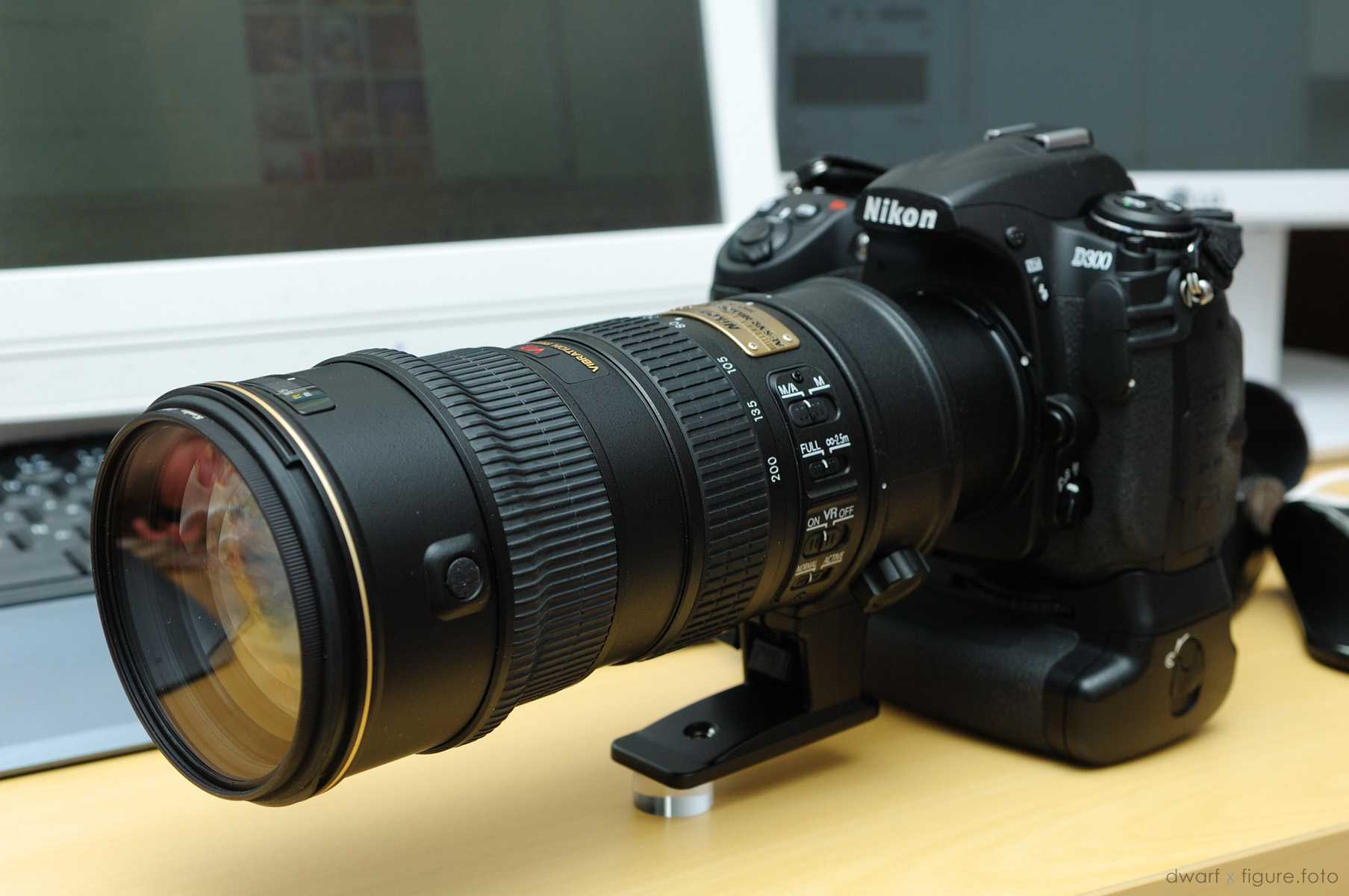
— О распределении массы объектива в 70-200, ну это не в какие ворота не лезет. Это его сильная сторона, отмеченная многими, как владельцами, так и экспертами. Особенно упоминается его сужающая часть к байонету, что очень удобно. В паре с D200 или с D80 выходит очень сбалансированное распределение по весу! Возможно, с легкой камерой как D40 и могло бы быть перераспределение центра тяжести…, если в комплекте не было бы съемного крепежа в виде подставки с двумя местами крепления к моноподу или штативу. Если снимать с рук, тогда левая рука (для правшей) очень удобно удерживает объектив и свободно может как изменять как фокусировку так и фокусное расстояние. Широкие, ухватистые и обрезиненные кольца удобны и хорошо информативны.
Автор реплики: Юрий Богомаз
По моему мнению, нельзя говорить о преимуществе одного над другим по рисунку. Здесь только одна категория нравится или нет. Они просто немного разные. И обе линзы легендарные. Сейчас у меня 70-200, раньше работал отверточным 80-200. С появлением 70-200 появилось удобство и скорость, изменение характера картинки сравнимо со сменой Феррари на Ламборджини )))
70-200 мой любимый трансфокатор у Никона! По настоящему волшебное стекло. Если не нужны скорость, спокойно экономьте штуку зелени, довод простой: работали же раньше отвертками репортеры? )) Чуть меньше свободы в допусках. Надо немного больше думать наперед, более тщательно подходить к выбору точкой фокуса контрастных деталей на объекте съемки, чтобы не попадать на промазывание. Это дело навыка.
Про прозвучавшую выше якобы ненадежность VR, ничего, кроме того, что это заблуждение, добавить не смогу. Предельно надежная работа. Просто, опять же есть правила использования, которые надо знать. Надо также знать, когда использование VR навредит, а не поможет.
Compared
I got my 70-200/2.8E FL at Adorama; I’d also get it at Amazon, at B&H, at Crutchfield or used at eBay (How to Win at eBay.)
Versus the World
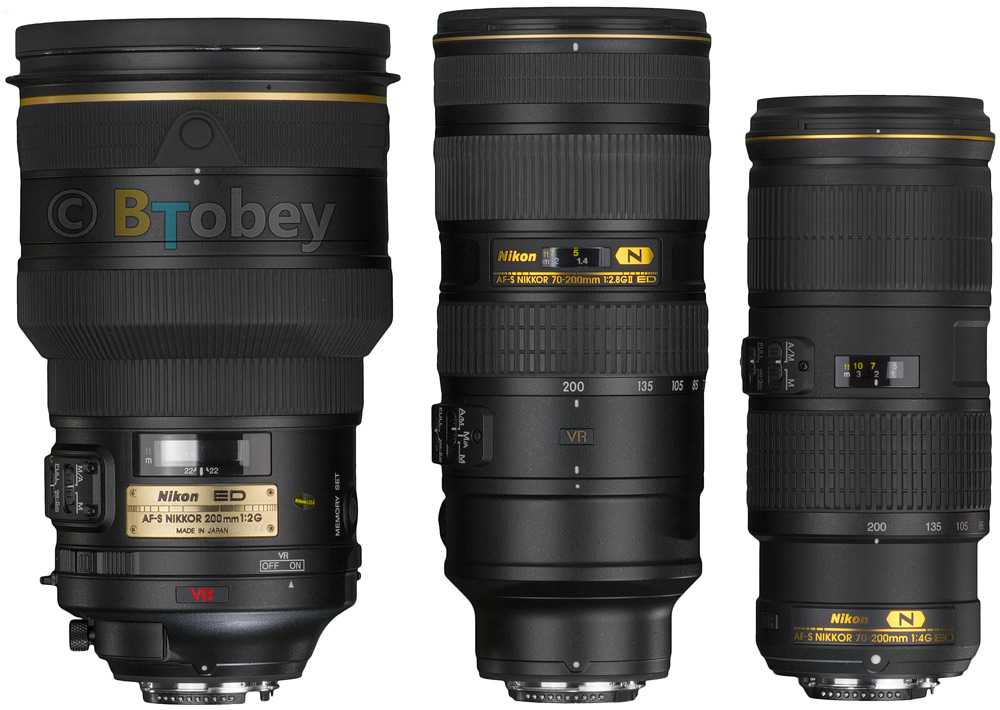
This 70-200/2.8 is lighter and focuses closer than any other 70-200/2.8. Yes, it’s at least as sharp as any other 70-200, but when you earn your living with it every day, what really matters is weight and close focus instance All pro 70-200mm lenses are ultrasharp, but that doesn’t matter if the subject is too close to get in focus!
And oh yes — this 70-200 has four AF lock buttons around the lens so you don’t have to use any other fingers to lock focus at the camera.
Versus Canon
Of course it’s silly to compare; you have to use whatever fits your camera.
Compared to the newest Canon 70-200/2.8 IS L II, this Nikon 70-200/2.8 FL is the same size and has the same maximum macro reproduction ratio and similar distortion, MTF and sharpness, but this Nikon focuses a little bit closer (3.6’/1.1m versus 4’/1.2m) and this Nikon weighs less (1,425g versus 1,600g) with collar. As of December 2016, the Nikon costs more ($2,800 versus $2,000).


It all comes down to what fits your camera and if you want to pay $800 extra to save carrying an extra 6.2 oz./175g around your neck. If you earn your living with this lens every day, the $800 is easily worth it.
Of course the Canon 100-400mm L IS II is better than any 80-200 or 70-200 ever made by anyone because it goes all the way to 400mm with no converters to change, and it focuses both closer and faster than any other f/2.8 telephoto zoom. We needed f/2.8 back in the days of film, and with digital f/4.5~5.6 is fast enough for anything and we get at least as good or better bokeh at 400mm at f/5.6 than at 200mm at f/2.8 — but Nikon makes nothing to compete with Canon’s 100~400mm II.
|
|
|
|
|
|
| Introduced | 2016 August | 2020 January | 2009 December | 2018 January |
| Speed | f/2.8 | f/2.8 | f/2.8 | f/4 |
| VR rated | Four stops | Four stops | Three stops | Four stops |
| Close-focus |
3.6′ 1.1m |
6.6′ 2m |
8′ 2.2m |
6.5′ 2m |
| Max. Repro. Ratio |
1:4.76 0.21 × |
1:6.25 0.165 × |
1:6.4 0.16 × |
1:4 0.25 × |
| Front protective optical plate | none | none | Yes | Yes |
| Front filter thread | 77mm, metal | 112mm | none | none |
| Rear Filter Slot | none | none | 52mm | 40.5mm |
| Outside Diameter |
3.4″ 88.5 mm |
5.1″ 128 mm |
4.9″ 124mm |
5.0″ 128 mm |
| Length (from flange) |
7.9″ 202 mm |
12″ 304 mm |
10.5″ 268 mm |
14.3″ 362 mm |
| MTF, short end (click to enlarge) |  |
 |
(there is no short end) |  |
| MTF, long end (click to enlarge) |  |
 |
 |
 |
| Weight, w/collar |
50.3 oz. 1,425g 3.1 pounds |
114.6 oz. 3,250 g 7.2 pounds |
102.3 oz. 2,900 g 6.4 pounds |
123.5 oz. 3,500 g 7.7 pounds |
| Price per pound, 01/2020 | $890/lb. | $1,320/lb. | $860/lb. | $1,610/lb. |
| Price, 01/2020 |


Help Me Help You
I support my growing family through this website, as crazy as it might seem.
The biggest help is when you use any of when you get anything. It costs you nothing, and is this site’s, and thus my family’s, biggest source of support. These places always have the best prices and service, which is why I’ve used them since before this website existed. I recommend them all personally.
If you find this page as helpful as a book you might have had to buy or a workshop you may have had to take, feel free to help me continue helping everyone.
If you’ve gotten your gear through one of my or helped otherwise, you’re family. It’s great people like you who allow me to keep adding to this site full-time. Thanks!
If you haven’t helped yet, please do, and consider helping me with a gift of $5.00.
As this page is copyrighted and formally registered, it is unlawful to make copies, especially in the form of printouts for personal use. If you wish to make a printout for personal use, you are granted one-time permission only if you PayPal me $5.00 per printout or part thereof. Thank you!
Mr. & Mrs. Ken Rockwell, Ryan and Katie.
Home
Donate
New
Search
Gallery
Reviews
How-To
Books
Links
Workshops
About
Contact
Примеры фотографий в галереях на сайте
Кроме фотографий здесь представлен список галерей, при фотосъемке которых был использован объектив Nikon 70-200mm f/2.8G ED AF-S VR II:
Спортивные фото
- «Ростовская сотка-2021», фотографии, 78 фото ультрамарафона в 100 км
- Фотографии соревнований по боксу в Новочеркасске, 89 фото
Свадебные фотографии
-
Свадьба в ЗАГСе г. Железнодорожного, в ресторане «Белый берег» (Раменский район, с. Верхнее Мячково), 154 фото от начала и до конца
Свадебный фотосет у ротонды (половина фото сделана с помощью Nikon 70-200mm f/2.8G ED AF-S VR II)
- Свадьба в Новочеркасске от начала и до конца
- Свадьба от начала и до конца: свадебное утро, Измайловский ЗАГС, прогулка в усадьбе Кусково, ресторан
- Летняя свадьба в Королеве
- Свадьба в «Малибу», Пирогово
Рекламные фотографии, семейные и портретные фотосессии
- Фотосъемка 1 сентября — «День знаний» в 31 школе г. Новочеркасска
- Рекламная фотосъемка пива «Святопрамен» — все фотографии в этой галерее выполнены на Nikon 70-200mm f/2.8G
- Романтическая фотосессия в Александровском парке Новочеркасска
- Лав-стори: три весенних эпизода
- Весенняя фотосессия лав-стори на природе
Архитектура, фотографии в путешествиях
- HD quality
- HD quality
-
Имеретинский морской порт в Адлере (Сочи), фото и фотопейзажи HD quality
- HD quality
- HD quality
- HD quality
FX VR ED N: World’s Best 70-200mm
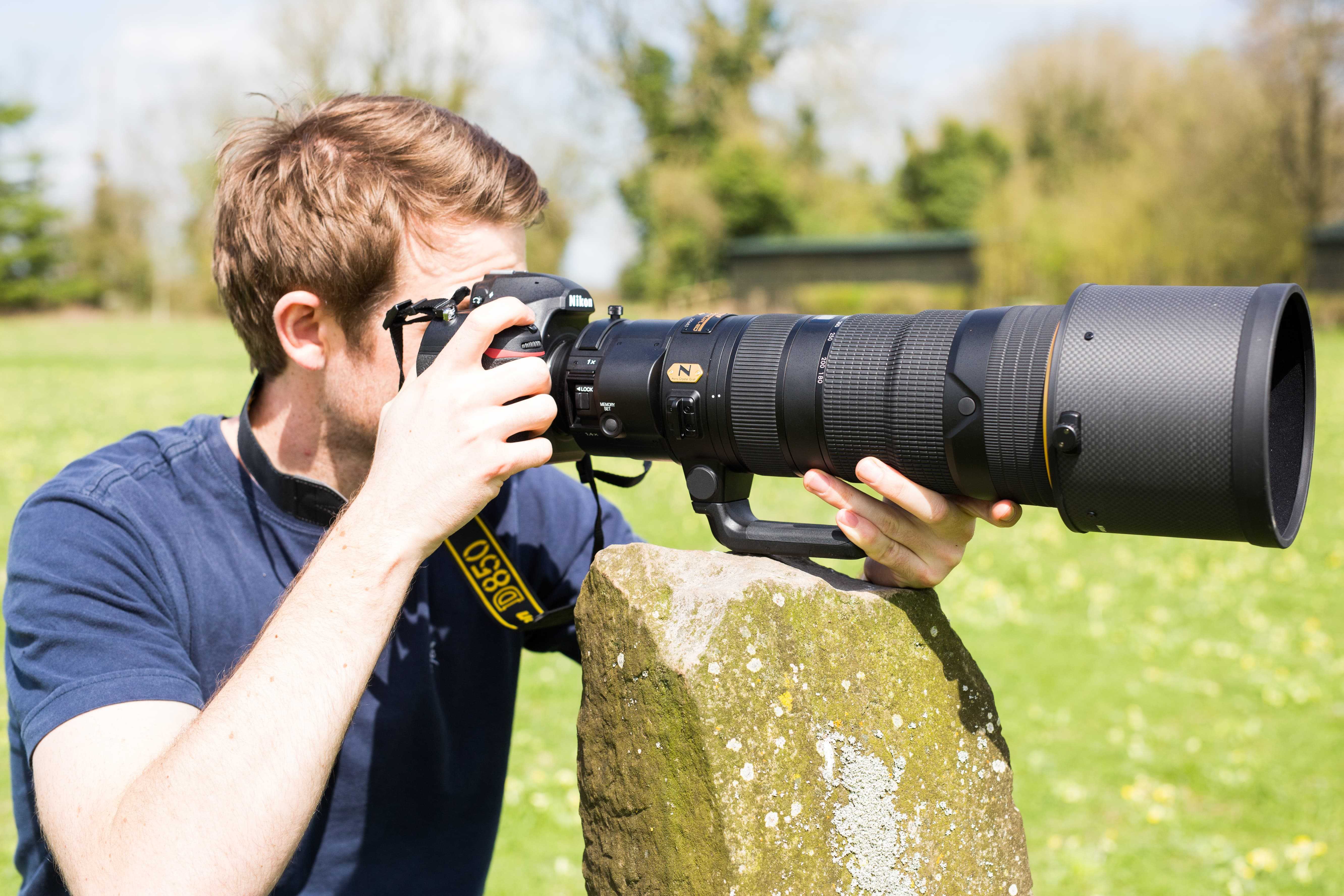
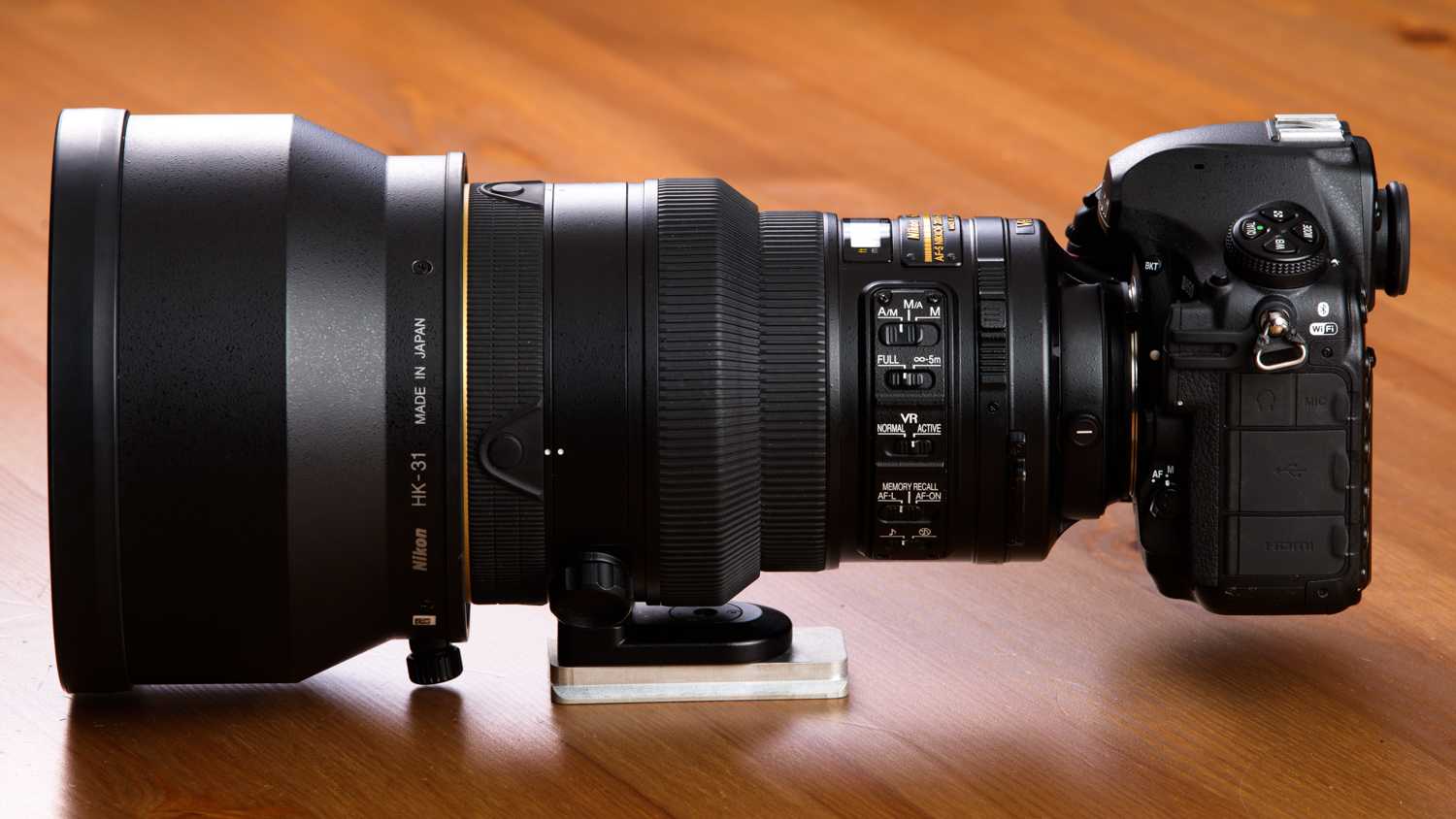
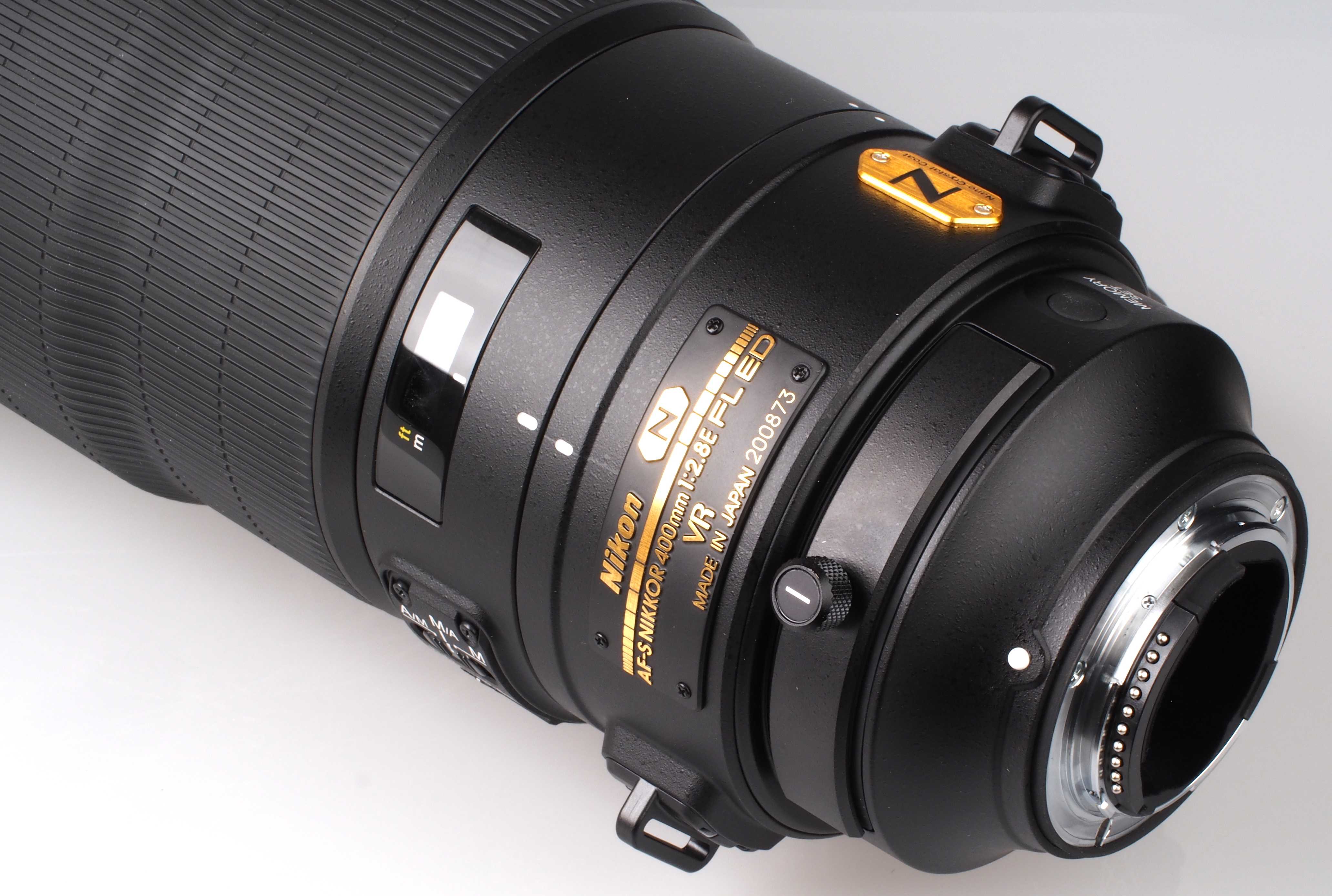
Nikon 70-200mm f/2.8E FL (metal 77mm filter thread, 50.3 oz./1,425g with tripod collar, 3.6’/1.1m close-focus, $1,897 new or about $1,500 used if you know How to Win at eBay.) bigger. I got mine at Adorama; I’d also get it at Amazon, at B&H, at Crutchfield or used at eBay.
This all-content, junk-free website’s biggest source of support is when you use those or any of when you get anything, regardless of the country in which you live. Nikon does not seal its boxes in any way, so never buy at retail or any other source not on since you’ll have no way of knowing if you’re missing accessories, getting a defective, damaged, returned, store demo or used camera. Buy only from the for the best prices, service, return policies and selection. Thanks for helping me help you! Ken.
December 2020 Nikon Nikon Lenses All Reviews
See also the Tamron 70-200mm f/2.8 VR that works about as well for less than half the price.
4) Итог
Кто бы ни ругал это стекло, я могу сказать точно, оно просто великолепно. Nikon 70-200/f2.8 VR II отлично впишется в коллекцию объективов любого фотографа. Конечно, некоторые скажут, что стоимость стекла сильно завышена, и что можно приобрести аналог другой фирмы гораздо дешевле. Но нужны ли вам компромиссы? Зачем вам более дешевый аналог с абсолютно нерабочей f 2.8, например? Или плохим качеством сборки?
Я отношусь к тем фотографам, которые считают, что объектив — это, в-первую очередь, инструмент для достижения цели, и только потом дорогой набор линз. За эти полтора года Nikon 70-200 побывал со мной и в горах Норвегии, и во влажном климате Сахалина, и надышался пылью на рыцарском турнире «Битва на Неве». И вы знаете, он до сих пор работает, как часы!
После того, как моя Sigma 12-24, все время пролежавшая в теплом кофре, отказалась работать, как только я вытащил ее на мороз, я зарекся покупать дешевые аналоги.
Могу с уверенностью сказать, объектив 70-200 отрабатывают свою цену на все 200%. Это не компромисс, это стекло, которое еще много лет послужит в арсенале фотографа!